Quick Answer: In January 2025, Geneverse and Jackery officially merged to create a unified powerhouse in portable solar energy solutions. While both brands continue operating, they now share technology and expertise under Jackery’s leadership. Batten Emergency offers expert-vetted selections from the combined Jackery lineup, including the flagship Explorer 5000 Plus for whole-home backup and the versatile Explorer 1000 Plus for everyday emergency preparedness. With power outages now averaging 12.8 hours nationwide—a 58% increase since 2022—having reliable backup power isn’t optional anymore.
The reliability of America’s electrical grid has reached a critical inflection point. According to a November 2025 J.D. Power study, 45% of utility customers experienced at least one power outage in the first half of 2025 alone.
The average duration of the longest outage has surged from 8.1 hours in 2022 to 12.8 hours by mid-2025. Customers in the South are enduring an average of 18.2 hours without power during major events.
A July 2025 Department of Energy report delivered an even starker warning: blackout hours could increase 100-fold by 2030. AI data centers and manufacturing facilities are driving electricity demand to double. Meanwhile, 104 gigawatts of reliable baseload power from coal, gas, and nuclear plants are shutting down with only 22 gigawatts of new capacity planned to replace them.
Texas A&M University researchers analyzing 179 million data points found that since 2019, outage duration, frequency, and scale have worsened by approximately 20% annually. Currently, 318 counties across 45 states are classified as “hotspots” for high power system vulnerability.
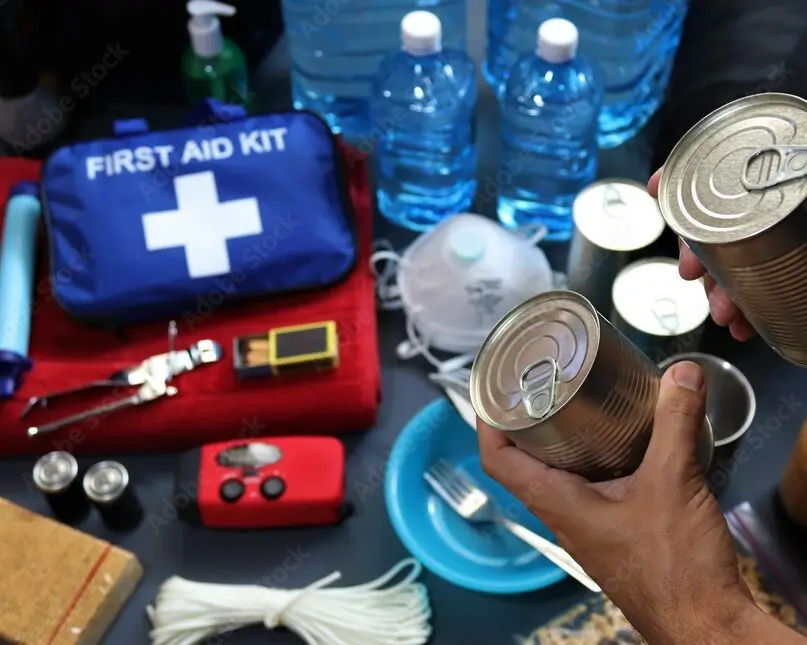
For families facing this new reality of grid instability, portable power stations have transformed from outdoor recreation accessories into essential home preparedness equipment. Whether you’re protecting refrigerated medications during extended blackouts, maintaining internet connectivity for remote work, or ensuring your sump pump keeps running during storm flooding, the choice of backup power system directly impacts your family’s safety and comfort.
Table of Contents
- Key Takeaways
- Breaking News: Geneverse and Jackery Unite
- Power Grid Reliability Crisis in 2026
- Geneverse vs Jackery: Company Backgrounds
- 2026 Product Lineup Comparison
- Emergency Preparedness Applications
- Setup and Ease of Use: Emergency Deployment Speed
- Warranty, Support, and Long-Term Value
- Which Jackery Model Matches Your Preparedness Profile?
- Solar Charging: The Self-Sufficiency Factor
- Frequently Asked Questions About Portable Power Stations for Emergency Preparedness
- The Verdict: Which System Wins for 2026?
- Taking Action: Your Next Steps
- Sources Used for This Article
Key Takeaways
- Geneverse and Jackery merged in January 2025, combining expertise while maintaining distinct product lines under unified leadership
- Power outages have increased 20% annually since 2019, with average durations reaching 12.8 hours nationally by 2025
- The Jackery Explorer 5000 Plus offers 5-60kWh expandable capacity with 0ms transfer time for whole-home backup during extended outages
- The Explorer 1000 Plus provides expandable 1.264-5kWh capacity with LiFePO4 batteries rated for 10-year lifespan and 4,000 charge cycles
- Current models feature advanced battery management, smartphone app control, and solar charging capabilities optimized for emergency preparedness needs
Breaking News: Geneverse and Jackery Unite
In a strategic move announced January 2025, Geneverse officially merged with Jackery to create an expanded portfolio of portable power solutions.
According to Geneverse CEO Anson Liang, “This integration signifies a natural evolution in our commitment to addressing the diverse energy needs of our customers. Together, we are streamlining the customer experience by providing a comprehensive suite of products, from portable power solutions to robust home energy systems, all under the trusted Jackery brand.”
The merger took effect at the end of January 2025. As a result, Geneverse’s home energy storage expertise—particularly their PowerPillar ESS whole-home systems—now combines with Jackery’s established portable power station lineup.
Prior to the merger, both brands had already partnered on distribution. Jackery featured Geneverse’s PowerPillar in their total home energy solutions portfolio, setting the stage for this full integration.
What This Merger Means for Consumers
For consumers, this consolidation means access to a broader range of power solutions. Options now span from compact portable units perfect for camping trips to home backup systems capable of powering essential circuits for days.
The combined entity uses Jackery’s 13 years of portable power innovation (founded 2012) alongside Geneverse’s focused expertise in home energy storage developed since 2019. Despite the merger, both product lines remain available with their established features and warranty support.
Jackery continues manufacturing their Explorer series under existing specifications. Meanwhile, Geneverse products transition under Jackery’s quality standards and extended warranty programs. This consolidation aims to accelerate renewable energy adoption by providing customers with a complete power solution system.
Power Grid Reliability Crisis in 2026
America’s electrical grid faces unprecedented strain from multiple converging factors. Weather-related outages account for 83% of all power interruptions according to recent utility data. However, the infrastructure itself shows systemic vulnerabilities that extend beyond storm damage.
DOE’s Alarming 2030 Forecast
The Department of Energy’s July 2025 forecast projects blackout hours could multiply by a factor of 100 by decade’s end. This alarming prediction stems from explosive growth in electricity demand—particularly from AI data centers and reshored manufacturing.
Simultaneously, the retirement of dependable baseload generation creates a dangerous gap. As roughly 104 gigawatts of coal, gas, and nuclear capacity exits the grid with only 22 gigawatts of replacement power planned, the supply-demand imbalance creates a massive reliability gap.
Regional Vulnerability Patterns
Regional vulnerability varies significantly across the United States. J.D. Power’s 2025 data shows Southern states experiencing the longest average outages at 18.2 hours. Western states follow at 12.4 hours average duration.
A Texas A&M Power System Vulnerability Index study identified specific high-risk regions. The West Coast (particularly California and Washington), East Coast including Florida and the Northeast corridor, and Great Lakes regions face the highest vulnerability. The study found the average U.S. county now experiences outages lasting 7.3 days per year.
Between 2000 and 2023, Texas led the nation with 264 major power outages. California recorded 238 significant blackouts during the same period. These statistics only capture events affecting 50,000 or more customers, meaning countless smaller but equally disruptive outages go unreported.
Renewable Energy Complexity
The renewable energy transition adds complexity to grid management. While wind and solar provide clean generation, their intermittent nature means backup power becomes critical during “renewable energy deficit” periods.
These vulnerable windows occur during calm, cloudy days following major weather events. Demand surges but renewable output drops precipitously. During these periods, households with portable power stations and solar charging capability maintain functionality while grid-dependent neighbors remain in the dark.
For families evaluating backup power options, these statistics show a fundamental shift. Portable power stations are no longer luxury items for off-grid enthusiasts but practical necessities for maintaining basic household functions.
Geneverse vs Jackery: Company Backgrounds

Jackery: Pioneer in Portable Power
Founded in 2012 by California-based engineers, Jackery established itself as an early leader in portable power technology. The company’s name combines “Jack” (representing versatile electrical connections) with “Battery,” reflecting their mission to make power portable.
Over 13 years, Jackery built a reputation for reliable power stations targeting outdoor enthusiasts and emergency preparedness markets. Their orange-accented Explorer series became recognizable for combining sufficient capacity with manageable portability.
As climate-driven disasters intensified, Jackery’s products transitioned from recreational gear to essential home backup equipment. Their 2020-2023 period saw explosive growth as pandemic work-from-home arrangements made power reliability critical.

Geneverse: Born from California Wildfire Crisis
Geneverse emerged in 2019 from founder Anson Liang’s direct experience with California’s devastating wildfire season. After enduring repeated power shutoffs during Public Safety Power Shutoff events, Liang recognized families needed reliable, affordable backup power.
Rather than target outdoor recreation, Geneverse focused specifically on home energy resilience. Their HomePower series emphasized ease of setup, solar recharging, and sufficient capacity to run essential household circuits during multi-day outages.
Customer reviews consistently highlighted the brand’s 5-year warranty—significantly longer than industry standard 2-year coverage. The company’s PowerPillar ESS represented their ambition to provide complete home backup solutions integrating solar panels, battery storage, and intelligent power management.
The Strategic Merger Benefits
The January 2025 merger combined Jackery’s portable power expertise with Geneverse’s home energy storage innovation. For consumers, this means expanded product range from portable units to whole-home systems through a single brand.
Geneverse’s industry-leading 5-year warranty standards now influence Jackery’s product support policies. Combined R&D resources accelerate development of next-generation battery technology and smart home connectivity. Consolidated service infrastructure improves parts availability and warranty claims processing.
Both brands operate under Jackery’s leadership while maintaining distinct product identities. Geneverse products continue featuring their blue color scheme and home-backup orientation. Jackery’s Explorer series retains its orange accent and portable design philosophy.
2026 Product Lineup Comparison
Flagship Models: Power Capacity Showdown
| Specification | Jackery Explorer 5000 Plus | Jackery Explorer 1000 Plus | Jackery Explorer 1000 v2 |
|---|---|---|---|
| Capacity | 5,120Wh (expandable to 60kWh) | 1,264Wh (expandable to 5kWh) | 1,070Wh |
| Continuous Output | 5,000W (7,200W with 220V) | 2,000W | 1,500W |
| Surge Power | 10,000W | 4,000W | 3,000W |
| Battery Type | LiFePO4 | LiFePO4 | Lithium-ion |
| Cycle Life | 4,000 cycles (80% capacity) | 4,000 cycles (80% capacity) | 1,000 cycles |
| Weight | 132 lbs | 32.3 lbs | 23.8 lbs |
| Dimensions | 18.6 x 14.4 x 15.4 in | 13.5 x 10.0 x 10.5 in | 13.4 x 9.7 x 10.3 in |
| Transfer Time | 0ms (UPS mode) | 20ms | 20ms |
| Solar Input | 4,000W (1.7hr full charge) | 800W (2hr full charge) | 800W (2.5hr full charge) |
| App Control | Yes (WiFi/Bluetooth) | Yes (WiFi/Bluetooth) | Yes (WiFi/Bluetooth) |
| Price | $2,799 (sale from $4,299) | $1,599 (sale from $2,099) | $399 (sale from $799) |
Emergency Runtime Analysis
The practical value of portable power stations becomes clear when calculating actual runtime for essential household devices during outages. Here’s how each model performs powering critical equipment:
| Device | Power Draw | Explorer 5000 Plus | Explorer 1000 Plus | Explorer 1000 v2 |
|---|---|---|---|---|
| Full-size Refrigerator | 150W | 30 hours | 7.5 hours | 6.3 hours |
| LED Lighting (4 bulbs) | 40W | 115 hours | 28 hours | 24 hours |
| Laptop + Monitor | 100W | 46 hours | 11 hours | 9.5 hours |
| WiFi Router + Modem | 20W | 230 hours | 56 hours | 48 hours |
| Smartphone Charging | 12W | 383 charges | 94 charges | 80 charges |
| CPAP Machine | 50W | 92 hours | 23 hours | 19 hours |
| Electric Blanket | 200W | 23 hours | 5.6 hours | 4.8 hours |
| Microwave (partial load) | 600W | 7.7 hours | 1.9 hours | 1.6 hours |
Note: Runtimes calculated at 80% discharge depth for battery longevity. Actual performance varies with device efficiency, ambient temperature, and inverter conversion losses.
Solar Charging Capabilities Comparison
| Feature | Explorer 5000 Plus | Explorer 1000 Plus | Explorer 1000 v2 |
|---|---|---|---|
| Max Solar Input | 4,000W | 800W | 800W |
| Recommended Panel | SolarSaga 500W x 2-8 | SolarSaga 100W x 2-4 | SolarSaga 100W x 2 |
| Full Charge Time (optimal sun) | 1.7 hours | 2 hours | 2.5 hours |
| Charge Time (overcast) | 4-6 hours | 5-7 hours | 6-8 hours |
| Panel Compatibility | 12-60V, MC4 connector | 11-60V, Anderson connector | 11-60V, Anderson connector |
| Charging While Using | Yes | Yes | Yes |
| MPPT Controller | Dual (99.3% efficient) | Single (99% efficient) | Single (99% efficient) |
Battery Technology & Longevity
The chemistry powering these stations directly impacts their emergency preparedness value. The Explorer 5000 Plus and 1000 Plus use Lithium Iron Phosphate (LiFePO4) batteries, while the Explorer 1000 v2 employs traditional lithium-ion cells. This distinction matters significantly for long-term reliability and safety.
LiFePO4 Advantages:
Extended Lifespan: 4,000 charge cycles versus 1,000 for lithium-ion translates to 10 years of regular use compared to 3-4 years.
Enhanced Safety: More stable chemistry with lower thermal runaway risk—critical for indoor storage.
Temperature Tolerance: Better performance in extreme heat and cold common during disaster conditions.
Consistent Power Delivery: Maintains voltage stability even as battery depletes, preventing device shutdowns.
Lithium-Ion Characteristics:
Energy Density: Packs more capacity into lighter weight—the Explorer 1000 v2’s portability advantage stems from this.
Cost Efficiency: Lower manufacturing costs enable aggressive pricing for budget-conscious preparedness.
Faster Charging: Accepts higher input currents for quicker wall-outlet recharging.
Proven Track Record: Mature technology with established safety protocols and widespread industry adoption.
For home emergency backup where the station remains stationary and long-term reliability matters most, LiFePO4 chemistry proves superior. Families prioritizing portability for camping trips that also serve as emergency backup may accept lithium-ion’s shorter lifespan trade-off for reduced weight and lower cost.
Emergency Preparedness Applications
Portable power stations prove their value during actual outages, not just spec sheet comparisons. Preppers report these systems keeping critical household functions operational while neighbors struggle with traditional gas generators or complete darkness.
Multi-Day Blackout: Hurricane Helene 2024 Scenario
During September 2024’s Hurricane Helene, households across the Southeast lost power for 5-14 days. Some counties in North Carolina and Georgia experienced two weeks without grid electricity.
A properly sized solar generator maintains critical loads including full-size refrigerator and chest freezer (preventing $500-800 food loss), gas furnace operation, internet connectivity for remote work, medical equipment like CPAP machines, LED lighting, and phone charging.
With modest solar recharging even during overcast conditions, the Explorer 5000 Plus sustains these loads indefinitely—impossible with fixed-capacity traditional generators once fuel exhausts. Learn more in our extended power outage guide.
Hurricane Season: 5-10 Day Power Restoration Scenario
Gulf Coast residents regularly face week-plus outages following major hurricanes. The Explorer 1000 Plus paired with two 100W solar panels provides essential family survival capabilities: refrigerator cycling maintains food safety for 5+ days, well pump operation enables cooking and sanitation, window fans prevent mold growth in humid post-storm conditions, and electronics charging keeps communication devices powered.
Preppers note the psychological benefit of maintaining some normalcy—being able to charge phones, run a fan, brew coffee—dramatically reduces family stress during extended disasters. Our hurricane preparedness guide covers complete readiness strategies.
Remote Work Continuity During Rolling Blackouts
California’s Public Safety Power Shutoffs cause unpredictable workday interruptions. Remote workers report the Explorer 1000 v2 provides 6-8 hours of laptop, monitor, and WiFi operation—maintaining client meetings without disconnections and eliminating career risk from missed deadlines.
Medical Equipment Dependencies
All three Jackery models feature pure sine wave inverters required for sensitive medical equipment. Compatible devices include CPAP/BiPAP machines, oxygen concentrators, nebulizers, insulin refrigeration, feeding pumps, and mobility device charging.
Preppers with medical needs emphasize choosing capacity rated for 3-5 days minimum runtime. The Explorer 5000 Plus provides this extended buffer, while the 1000 Plus requires more active power management during cloudy weather.
Setup and Ease of Use: Emergency Deployment Speed
When disaster strikes, complicated setup procedures become impossible. Stress, darkness, and urgency demand systems that deploy instantly.
Out-of-Box to Operational: Timed Setup
Explorer 5000 Plus: 15-30 minutes
Weight requires two-person carry to deployment location (132 lbs). Smart Transfer Switch installation adds 2-3 hours (electrician recommended). App pairing takes 5 minutes via Bluetooth or WiFi. Solar panel connection requires 10 minutes for cable routing and angling. Large color touchscreen displays power flow immediately—no manual needed.
Explorer 1000 Plus: 5-10 minutes
Single person carries to deployment spot (32 lbs). Plug critical devices into labeled outlets. App connection optional but improves monitoring. Solar panels connect with Anderson quick-disconnect—no tools required. LED display shows battery level, input/output watts instantly.
Explorer 1000 v2: Under 5 minutes
Lightweight design enables rapid repositioning (24 lbs). Simply plug in essential devices and power on. Basic display shows remaining runtime percentage. Solar charging requires compatible panels (sold separately). Budget-friendly but lacks advanced monitoring features.
Preppers emphasize practicing setup during calm conditions. Fumbling with cables during a nighttime power failure with scared children creates unnecessary chaos. Running a quarterly drill—connecting the station, plugging in your designated emergency devices, and verifying operation—builds muscle memory for actual emergencies.
User Interface and Monitoring
The integration of smartphone apps transforms basic power stations into sophisticated energy management systems. Jackery’s app (compatible with all three models) provides:
Live Monitoring: Input and output wattage displayed graphically. Remaining runtime calculated from current load. Battery health percentage and cycle count. Individual outlet control—turn off unused circuits remotely. Solar panel performance tracking. Historical energy usage data.
Smart Alerts: Low battery warnings with estimated shutdown time. Overload notifications before circuit breaker trips. Temperature monitoring prevents heat-related damage. Firmware update notifications for feature improvements.
Remote Operation: Schedule charging during off-peak utility rates. Enable/disable outlets without walking to the unit. Adjust LCD brightness to reduce phantom power drain. Configure UPS mode parameters for transfer time optimization.
For families managing multiple critical loads during extended outages, this visibility enables intelligent prioritization. When battery levels drop, the app helps identify which devices consume excessive power, allowing informed decisions about what to temporarily disable until solar recharging resumes.
Portability Considerations for Different ICPs
Prep-Curious Family Protector: Portability matters less than capability. These users typically deploy their station in a garage or utility room and run extension cords to critical appliances. The Explorer 5000 Plus’s weight (132 lbs) isn’t a dealbreaker since it moves only during initial setup or home relocation. Built-in wheels on the base unit help maneuver it when necessary.
Dedicated Self-Reliance Enthusiast: This segment values versatility—ability to serve as home backup but also support off-grid property management or RV living. The Explorer 1000 Plus hits the sweet spot: substantial capacity for serious loads (power tools, refrigeration) but manageable 32-pound weight allows loading into vehicles. Many preppers in this category own multiple units: a high-capacity home station plus portable backup for vehicle/camping.
Outdoor Adventurer & Solo Survivor: Weight directly determines whether the station makes the pack or stays home. The Explorer 1000 v2 at 24 pounds fits this ICP’s needs—powerful enough for multi-day camping trips (mini-fridge, lights, device charging) yet light enough to carry reasonable distances. Serious backpackers find even this too heavy, preferring smaller 500Wh units or traditional battery banks, but vehicle-based campers and overlanders consider it ideal.
Warranty, Support, and Long-Term Value
Backup power investments only prove worthwhile if the equipment functions reliably for years. Warranty coverage and manufacturer support separate quality brands from disposable consumer electronics.
Warranty Coverage Comparison
Standard Warranty (as of 2026):
- Explorer 5000 Plus: 5-year warranty on power station, 3-year on battery cells
- Explorer 1000 Plus: 3-year warranty + 2-year extension when purchased from official retailer (5 years total)
- Explorer 1000 v2: 3-year warranty + 2-year extension when purchased from official retailer (5 years total)
- Solar Panels (all SolarSaga models): 2-year warranty + 1-year extension (3 years total)
What’s Covered: Manufacturing defects in materials or workmanship. Battery capacity degradation below 80% within warranty period. Inverter and control board failures under normal use. Port malfunctions and charging circuit issues. LCD screen defects.
What’s Not Covered: Physical damage from drops, impacts, or accidents. Water damage (units are splash-resistant, not waterproof). Modifications or repairs by unauthorized technicians. Cosmetic wear like scratches or fading. Damage from operating outside temperature specifications (-4°F to 104°F).
The warranty clock starts on purchase date, not delivery date—an important distinction when shipping delays occur. Warranties transfer to new owners with proof of original purchase, improving resale value compared to non-transferable competitors.
Customer Service Experience
Preppers report generally positive experiences with post-merger Jackery support, though volume increases during disaster seasons can slow response times. Phone support operates 9am-5pm Pacific Time on weekdays, while email and chat support offer 24/7 availability with typical 12-24 hour response windows.
Common support scenarios include:
Battery Replacement: After 3-5 years of regular use, even LiFePO4 batteries eventually degrade. Jackery offers replacement battery packs at roughly 30-40% of original unit cost—expensive but still cheaper than buying a new station. The Explorer 5000 Plus uses modular battery packs enabling user replacement, while smaller units require factory service.
Firmware Updates: App integration means stations periodically receive over-the-air updates improving performance and adding features. Support staff assist users experiencing update failures or connectivity issues.
Warranty Claims: Defective units go through troubleshooting before replacement authorization. Most claims resolve within 7-14 days, with prepaid shipping labels provided for return shipment. Replacement units ship before defective returns arrive—critical for users depending on their station for medical equipment.
Total Cost of Ownership Analysis
Purchase price tells only part of the story. Calculating total cost of ownership over the station’s useful life reveals the true emergency preparedness value.
| Cost Factor | Explorer 5000 Plus (10 years) | Explorer 1000 Plus (10 years) | Explorer 1000 v2 (4 years) |
|---|---|---|---|
| Initial Purchase | $2,799 | $1,599 | $399 |
| Solar Panel Kit | $2,000 (4x 500W) | $800 (2x 100W) | $800 (2x 100W) |
| Battery Replacement | $0 (within lifespan) | $0 (within lifespan) | $399 (year 4) |
| Opportunity Cost | $84/year grid electricity offset | $36/year | $12/year |
| Total 10-Year Cost | $4,799 + $840 = $5,639 | $2,399 + $360 = $2,759 | $798 + $399 + $120 = $1,317 |
| Annual Cost | $564/year | $276/year | $329/year (over 4 years) |
| Cost Per kWh Capacity | $1.11/kWh | $2.18/kWh | $1.23/kWh |
This analysis assumes the Explorer 1000 v2 requires battery replacement at year 4 due to lithium-ion chemistry limitations. The LiFePO4 models’ extended cycle life eliminates this expense within their 10-year operational window.
For budget-conscious preppers, the Explorer 1000 v2 offers legitimate value as an entry point to backup power. Families committing to long-term emergency preparedness find the mid-range Explorer 1000 Plus provides superior lifecycle economics—nearly matching the budget model’s annual cost while delivering substantially greater capacity and longevity.
The Explorer 5000 Plus occupies a different category entirely: whole-home backup for families unwilling to compromise on comfort and security during extended outages. Its higher upfront cost distributes across enough capacity to power full-size appliances for days, justifying the investment for households with medical needs, home-based businesses, or simply preference for maintaining normal living conditions during disasters.
Which Jackery Model Matches Your Preparedness Profile?
Selecting the right portable power station requires honest assessment of your household’s needs, budget constraints, and emergency priorities.
Choose the Explorer 5000 Plus If You:
Need Whole-Home Backup Capability: Run multiple large appliances simultaneously (refrigerator + AC + water heater). Power medical equipment with zero tolerance for interruption. Work from home with critical connectivity requirements. Live in regions experiencing frequent 5+ day outages. Own a large solar array (4,000W+ capacity) for rapid recharging.
Value Expandability: Plan to scale capacity from 5kWh to 60kWh as budget allows. Want room to add electric vehicle charging capability. Anticipate increased future power needs (home additions, equipment upgrades).
Prioritize Seamless Transfer: 0ms UPS mode prevents even momentary power loss. Smart Transfer Switch automatically routes power during outages. Willing to invest in professional electrical integration.
Budget Allows Premium Investment: Can allocate $5,000-7,000 for complete system (station + solar + transfer switch). Recognize long-term value in emergency infrastructure. Already invested in other preparedness categories (food storage, water filtration).
See the complete specifications and current pricing for the Jackery Explorer 5000 Plus.
Choose the Explorer 1000 Plus If You:
Balance Capacity and Portability: Need substantial power but maintain option to relocate station. Serve both home backup and outdoor recreation uses. Live in apartment or rental where permanent installation isn’t possible. Plan to take your preparedness with you during moves.
Require Multi-Day Runtime: Moderate solar array (800W) provides realistic recharge capability. Expandable to 5kWh supports 2-3 day essential load coverage. LiFePO4 battery ensures 10-year reliable service life.
Smart Technology Focus: Value app-based monitoring and control. Appreciate detailed power flow analytics. Want firmware updates adding new features over time.
Budget-Conscious but Quality-Focused: Can invest $2,000-2,500 for midrange capability. Prefer proven longevity over rock-bottom pricing. Planning staged capacity expansion using additional battery packs.
Check full details and current sale pricing for the Jackery Explorer 1000 Plus.
Choose the Explorer 1000 v2 If You:
Entry-Level Preparedness: Just beginning your emergency readiness journey. Need basic backup for phones, lights, small devices. Prefer learning with affordable equipment before upgrading. Already own traditional gas generator, want supplemental power.
Ultra-Portable Applications: Primarily use for camping, tailgating, outdoor events. Need lightweight option for frequent transportation (24 lbs). Emergency backup is secondary to recreational use.
Limited Budget Constraints: Can allocate under $1,000 for basic capability. Willing to accept shorter 3-4 year lifespan. Plan to upgrade as finances allow.
Temporary Living Situation: College students, young professionals in transitional housing. Military families with frequent relocations. Don’t want to leave expensive equipment behind during moves.
Review current availability and pricing for the Jackery Explorer 1000 v2.
Remember that emergency preparedness operates on a spectrum—any backup power exceeds none. Starting with an entry-level station and expanding capability over time proves more effective than delaying preparedness while saving for premium equipment. Batten Emergency’s expert-vetted selection helps families at every preparedness stage find appropriate solutions.
Solar Charging: The Self-Sufficiency Factor
Portable power stations transform from finite battery packs into indefinite energy sources when paired with solar panels. This self-sufficiency separates preparedness equipment from mere convenience devices.
Solar Panel Options and Performance
SolarSaga 500W Panel (for Explorer 5000 Plus): Dimensions 90.5 x 28.7 x 1.2 inches. Weight 33 pounds. Efficiency 25% conversion rate. Connector MC4 standard. Design features rigid panels with foldable kickstand. Weather resistance IP68 waterproof rating. Optimal setup uses 2-4 panels for balanced charging speed and cost.
SolarSaga 100W Panel (for Explorer 1000 Plus and 1000 v2): Dimensions 48 x 21 x 0.2 inches (unfolded). Weight 9.1 pounds. Efficiency 24% conversion rate. Connector Anderson quick-disconnect. Design features portable folding design with carrying handle. Weather resistance IP65 water resistant. Optimal setup uses 2 panels for Explorer 1000 Plus, 1-2 for Explorer 1000 v2.
Actual Solar Charging Performance:
| Conditions | 500W Panel Output | 100W Panel Output |
|---|---|---|
| Full sun (noon, summer) | 450-500W actual | 90-100W actual |
| Partial clouds (60% sun) | 270-300W | 54-60W |
| Overcast (20% sun) | 90-100W | 18-20W |
| Early morning/late afternoon | 200-250W | 40-50W |
| Through window glass | 300-350W | 60-70W |
Solar charging during emergencies requires realistic expectations. A hurricane’s aftermath often features overcast skies for days—exactly when you need maximum charging capability. The Explorer 5000 Plus with four 500W panels still generates 360-400W under clouds, delivering meaningful battery replenishment. Smaller systems with 100W panels struggle in these conditions, requiring careful load management until weather improves.
Preppers emphasize mounting panel angle matters enormously. Optimal positioning perpendicular to sun direction increases output 40-60% compared to flat ground placement. The SolarSaga panels’ adjustable kickstands enable this optimization, while dedicated ground mounts or roof racks improve permanent installation performance.
Grid-Charging: Speed Matters During Brief Power Windows
While solar provides off-grid sustainability, grid charging proves valuable during brief power restoration windows common in rolling blackouts or brownout conditions.
AC Wall Charging: Explorer 5000 Plus uses 1,400W input for 4 hour full charge (0-100%). Explorer 1000 Plus uses 800W input for 1.7 hour full charge (0-100%). Explorer 1000 v2 uses 800W input for 1.7 hour full charge (0-100%).
DC Car Charging (via 12V cigarette lighter): All models accept 12V/10A for 24-30 hour full charge. Practical for maintenance charging or slow replenishment. Not suitable for emergency rapid charging needs.
Generator Charging: Compatible with traditional gas generators via AC outlets. Enables using conventional generators for quick battery filling. Station then provides clean, quiet power after generator shutdown. Reduces generator runtime and fuel consumption significantly.
Some preppers employ a hybrid strategy: run a gas generator for 2-3 hours to rapidly charge the power station to 80%, then shut down the generator and use the station for overnight power. This approach minimizes noise complaints, fuel consumption, and engine wear while still achieving quick charging capability.
Frequently Asked Questions About Portable Power Stations for Emergency Preparedness
Can I run my refrigerator during a week-long power outage using solar power?
Yes, with proper system sizing. A full-size refrigerator draws 150-200W when cycling. The Jackery Explorer 5000 Plus runs a refrigerator for 30 hours before recharge, while four 500W solar panels generate 1,800-2,000W during peak sun—enough to keep it running indefinitely. For the Explorer 1000 Plus, run your fridge 20 minutes per hour to maintain temperature while conserving battery capacity.
Will these power stations work in freezing winter temperatures?
LiFePO4 batteries lose 20-30% capacity at 0°F but still function. Never charge batteries in freezing temperatures—this causes permanent damage. Bring your station indoors to room temperature before charging. The units operate down to -4°F, but performance peaks between 50-77°F. For winter preparedness, keep the station in heated space and run extension cords to devices. Check our winter emergency guide for cold-weather strategies.
Can I use these power stations to charge an electric vehicle?
Technically yes, but practically limited. The Explorer 5000 Plus adds roughly 15-20 miles of EV range. You’ll need the vehicle’s emergency 120V cable (adding 3-4 miles per hour). During evacuations, solar panels could harvest enough energy for 30-50 miles of additional range. For routine charging, grid electricity remains more practical.
Do I need a transfer switch or can I just use extension cords?
Extension cords work perfectly for portable power stations and offer maximum flexibility. Transfer switches become valuable only for permanent whole-house integration with the Explorer 5000 Plus. The switch provides 0ms automatic transfer and hardwired circuits. Most families find extension cords adequate, reserving transfer switches for whole-home systems or critical medical equipment. See our shelter-in-place guide for more details.
How do I safely store my power station between emergencies?
Store LiFePO4 batteries at 50-70% charge in climate-controlled spaces (40-80°F). Charge every 3-6 months to prevent deep discharge. Clean ventilation ports and test quarterly with a lamp or phone charger. Check solar panels for dirt (reduces efficiency 15-25%) and inspect edge seals. Update firmware when available. Most importantly, use your station occasionally—run your home on battery power for an evening every few months to confirm operation. Our seasonal maintenance guide covers quarterly checks.
The Verdict: Which System Wins for 2026?
After the January 2025 merger, comparing “Geneverse vs. Jackery” becomes somewhat artificial—they’re now the same company. The real decision comes down to choosing between different product tiers in Jackery’s expanded lineup.
For families committing to complete emergency preparedness, the Jackery Explorer 5000 Plus represents the gold standard. Its 5-60kWh expandable capacity, 0ms transfer time, and whole-home integration capability justify the premium investment for households prioritizing uninterrupted power during extended outages. Medical equipment dependencies, home-based businesses, or simply refusal to compromise on comfort during disasters all point toward this system.
Budget-conscious preppers and those seeking versatility find exceptional value in the Jackery Explorer 1000 Plus. Its 1.264kWh capacity expands to 5kWh as needs or budgets grow, while LiFePO4 batteries guarantee 10-year reliability. The 32-pound weight enables both home backup and outdoor recreation uses. At $1,599 (regularly $2,099), it hits the emergency preparedness sweet spot: sufficient capacity for essential loads, expandable for future growth, and priced within reach for middle-income families.
The Explorer 1000 v2 serves entry-level preppers beginning their readiness journey. Its $399 price point (regularly $799) removes financial barriers to starting backup power capability, while 1,070Wh capacity handles phones, laptops, LED lighting, and partial refrigerator operation. The trade-off involves shorter 3-4 year lifespan due to lithium-ion chemistry versus LiFePO4’s decade-long durability, but this limitation matters less for users planning to upgrade as their preparedness commitment deepens.
All three systems deliver on the fundamental emergency preparedness promise: reliable power when the grid fails. The choice comes down to matching capacity, budget, and longevity expectations to your household’s specific needs and preparedness priorities.
Taking Action: Your Next Steps
The merger of Geneverse and Jackery creates a stronger company better positioned to serve families’ emergency power needs, but no company can prepare for you. Grid instability isn’t improving—if anything, the Department of Energy’s projections suggest conditions will worsen significantly by decade’s end. The time to prepare is now, before the next disaster forces rushed decisions with limited product availability and price gouging.
Batten Emergency offers expert-vetted selections from Jackery’s complete product range. Our preparedness specialists help families match equipment to actual emergency scenarios from household size, geographic risks, and critical power needs. We believe in honest guidance over product pushing—sometimes the right answer is a smaller system today with planned expansion next year rather than overextending budgets immediately.
Start by assessing your household’s genuine power needs during outages. Calculate critical loads: refrigerator, medical equipment, internet connectivity, lighting, heating/cooling. Our emergency kit builder tool helps quantify these requirements and recommends appropriate capacity.
Consider your geographic risks. Hurricane-prone Gulf Coast residents need different preparation than California wildfire regions or Texas ice storm areas. Our regional preparedness guides provide location-specific recommendations.
Whatever system you choose, don’t let perfect be the enemy of good. A basic power station powering phones and LED lights beats sitting in darkness hoping the grid restores soon. Begin where you are with what you can afford, and expand capability over time.
Browse our complete portable power station collection and find which Jackery system matches your preparedness profile. The best time to prepare for a power outage is before your refrigerator starts warming and your phone hits 5% battery in the dark.
Sources Used for This Article
“Geneverse and Jackery Join Forces,” 2025, Geneverse Blog, https://geneverse.com/blogs/geneverse/a-bright-future-ahead-geneverse-and-jackery-join-forces
“Power Outages Getting Longer as Extreme Weather Takes Larger Toll,” 2025, Utility Dive, https://www.utilitydive.com/news/power-outages-extreme-weather-jd-power/805658/
“US Power Outages Are More Frequent: Your 2025 Preparedness Guide,” 2025, EcoFlow Blog, https://www.ecoflow.com/us/blog/us-power-outage-preparedness-guide
“Understanding US Power Outages,” 2025, Construction Physics, https://www.construction-physics.com/p/understanding-us-power-outages
“Map Shows Where Power Outages Are Most Common in the US,” 2025, Newsweek, https://www.newsweek.com/map-us-counties-blackout-electricity-power-outage-vulnerability-2113927
“Number of Major Power Outages in the United States Between 2000 and 2023,” 2024, Statista, https://www.statista.com/statistics/1078354/electricity-blackouts-by-state/
“EIA Data Show Average Frequency and Duration of Electric Power Outages,” n.d., U.S. Energy Information Administration, https://www.eia.gov/todayinenergy/detail.php?id=27892
“Jackery Explorer 5000 Plus Product Specifications,” n.d., Jackery Official Website, https://www.jackery.com/pages/solar-generator-5000-plus
“Jackery Explorer 1000 Plus Product Specifications,” n.d., Jackery Official Website, https://www.jackery.com
“Geneverse Aligns with Jackery: Expanding Green Energy Offerings,” 2024, Geneverse Blog, https://geneverse.com/blogs/geneverse/geneverse-aligns-with-jackery-expanding-green-energy-offerings
“Comparing Geneverse’s Industry-Leading Warranty Against Competitors,” 2021, Geneverse Blog, https://geneverse.com/blogs/geneverse/comparing-geneverse-s-industry-leading-warranty-against-competitors
“Power Outages by State 2025,” n.d., World Population Review, https://worldpopulationreview.com/state-rankings/power-outages-by-state