
Quick Answer: A bug out bag should contain water (1 gallon per person per day), 72 hours of non-perishable food, a first aid kit, fire-starting tools, shelter gear, a flashlight, emergency radio, navigation tools, and copies of important documents.
Every year, disasters force millions of Americans to evacuate with little to no warning. In 2024, the U.S. recorded 27 separate billion-dollar weather and climate disasters, according to NOAA – and most affected families had less than an hour to grab what they needed and leave.
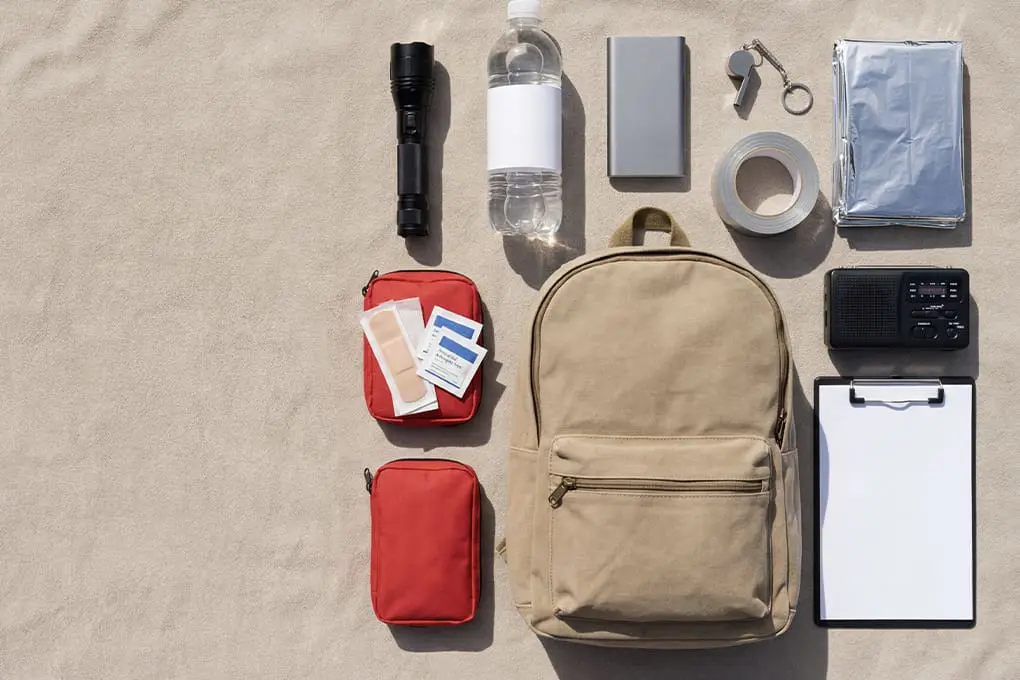
A bug out bag (also called a go-bag or 72-hour kit) is your insurance policy for that moment. It’s a pre-packed backpack containing everything you need to survive independently for at least three days while evacuating to safety. Whether you’re fleeing a wildfire, hurricane, flood, or extended power outage, the bag you grab on the way out the door is what stands between your family and a very difficult few days.
FEMA recommends every household maintain a minimum 72-hour emergency supply kit – but only about 4 in 10 Americans have one ready. This checklist covers every essential category so your bag is genuinely ready, not just started.
Table of Contents
Key Takeaways
- A complete bug out bag covers six core survival needs: water, food, shelter, fire, first aid, and communication – built for 72 hours of self-sufficiency.
- FEMA recommends storing at least one gallon of water per person per day; a family of four needs a minimum of 12 gallons for a 72-hour kit.
- Bug out bags should weigh no more than 20-25% of the carrier’s body weight – roughly 25-35 lbs for most adults.
- Pre-made kits like the Preppi Essentials Emergency Kit cover the basics; customizing with your own gear fills critical gaps.
- Browse Batten’s Survival and First Aid Kits collection for expert-vetted gear tested for real evacuation scenarios.
The 10 Bug Out Bag Essential Categories
Every reliable bug out bag is built around the same core survival priorities. Here’s what to include in each category, why it matters, and which gear delivers the most value.
1. Water and Hydration
Water is the non-negotiable starting point. The human body can survive roughly three days without it – but cognitive function and physical performance decline within hours of dehydration.
What to pack:
- Water: At minimum, 1 liter of drinking water per person (enough for day one); plan to filter or purify more en route
- Water Filtration: A portable filter straw or pump filter capable of treating creek, river, or lake water
- Purification Tablets: Lightweight chemical backup when filters aren’t practical
- Collapsible Water Container: For carrying and storing purified water
Store water in your bag for the first 24 hours. After that, a quality filter keeps you going indefinitely near natural water sources. The American Red Cross advises storing at least one gallon per person per day for drinking and sanitation.

2. Emergency Food Supplies
Bug out bag food needs to meet three requirements: calorie-dense, lightweight, and no cooking required (or minimal prep). This isn’t about enjoying meals – it’s about maintaining energy for evacuation.
What to pack:
- Energy bars or emergency rations: 2,000-2,400 calories per person per day
- Freeze-dried or dehydrated meals: Lightweight, 25-year shelf life, and just-add-water preparation
- High-calorie snacks: Nuts, jerky, dried fruit, nut butter packets
- Manual can opener: If any canned food is included
Batten’s Emergency Food & Water Supply collection carries Nutrient Survival and Augason Farms options purpose-built for emergency kits, with shelf lives of 15-25 years.

3. Shelter and Warmth
Exposure kills faster than hunger. A night in wet or cold conditions without shelter can turn a manageable evacuation into a life-threatening situation.
What to pack:
- Emergency mylar blankets: Pack two per person (one for sleeping, one for signaling)
- Lightweight tarp or bivy: For improvised shelter in rain or wind
- Paracord (50-100 ft): Essential for rigging tarps, hanging gear, or securing camp
- Extra clothing: One moisture-wicking base layer and a waterproof outer shell
- Work gloves: For handling debris, building shelter, or starting fires
4. Fire-Starting Tools
Fire means warmth, the ability to purify water by boiling, cook food, and signal for help. Pack redundancy – if one fire-starting method fails in wet conditions, you need a backup.
What to pack:
- Black Beards Ferro Rod: Produces sparks in wet conditions where matches and lighters fail; one rod lights thousands of fires
- Black Beard Arc Lighter: USB-rechargeable, windproof, reliable in adverse conditions
- Stormproof Matches: Waterproof and windproof backup; each burns for 15+ seconds
- UCO Original Candle Lantern: Provides ambient heat and soft light for extended camp use
- Fire tinder: Cotton balls with petroleum jelly, or commercial fire-starting cubes
The rule here is “two is one, one is none.” Pack at least two independent fire-starting methods.

5. First Aid and Medical Supplies
Minor injuries become major problems when you’re days from medical care. A solid first aid kit addresses the injuries most likely to happen during an active evacuation.
What to pack:
- MyFAK Mini First Aid Kit: Compact, trauma-capable kit with tourniquets, wound closure, and bleed control
- Personal medications: 7-day supply minimum in waterproof container
- N95 masks: At least 4 per person for wildfire smoke, dust, and airborne hazards
- Prescription eyeglasses: Backup pair if applicable
- Moleskin and blister treatment: Blisters from extended walking are among the most common evacuation injuries
The MyMedic MyFAK goes beyond basic bandaids with trauma-grade supplies that handle real emergencies. Browse Batten’s full Survival and First Aid Kits collection for options that match your family’s specific needs.
For more information, read our guides on how to communicate in emergencies without cell service and family emergency communication.

6. Light Sources
Power grids fail. Roads are dark. Shelters have no electricity. Reliable lighting is non-negotiable for any nighttime movement or camp setup.
What to pack:
- Fenix Everyday Carry Flashlight: High-lumen output, compact, rechargeable – one of the most reliable EDC lights available
- Tactical Flashlight: Durable backup with strobe for signaling
- Headlamp: Keeps hands free during tasks (fire building, first aid, navigation)
- Extra batteries: Or rechargeable batteries paired with a solar/hand-crank charger

7. Communication and Navigation
When cell towers are down – which is common in major disasters – you need tools that work without infrastructure. Emergency communication and navigation are non-negotiable for family safety.
What to pack:
- Esky Emergency Hand Crank Radio and Charger: Receives NOAA weather alerts, FM/AM broadcasts, and charges devices via hand crank or solar
- Garmin inReach Mini 2: Two-way satellite communicator for SOS and messaging when there’s zero cell signal – essential for remote evacuations
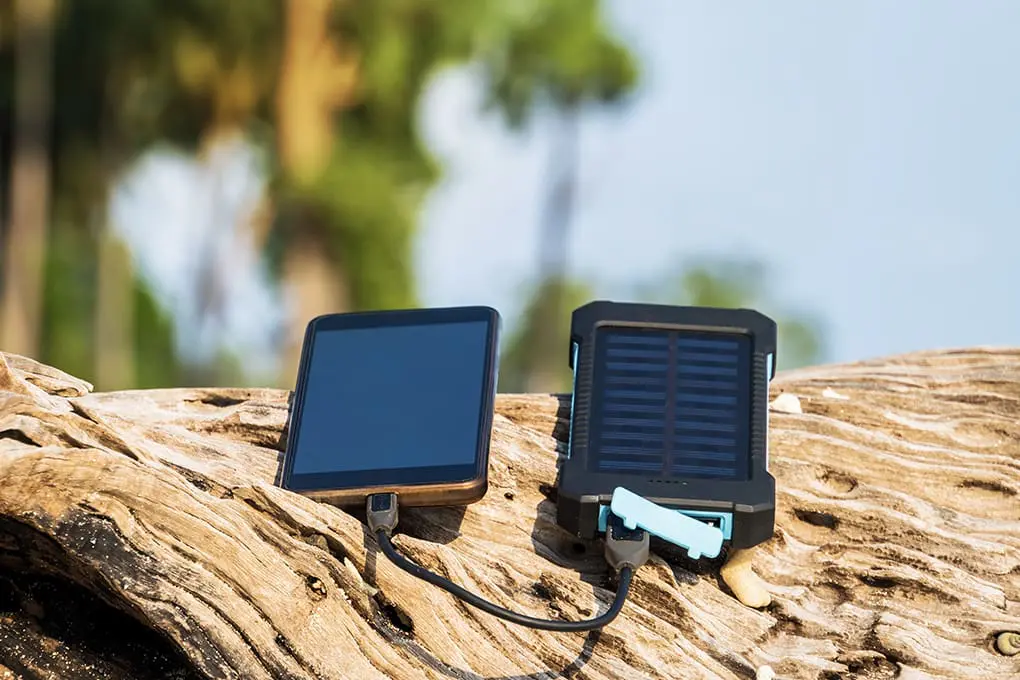
- Anker 737 Power Bank: 24,000mAh capacity keeps phones and devices charged for multiple days
- Hiluckey Solar Charger: Trickle-charges devices using sunlight during extended outdoor evacuations
- Printed local maps: GPS fails when batteries die; waterproofed paper maps of your region are the reliable backup
- Compass: For navigation when digital tools are unavailable
The Garmin inReach Mini 2 stands out as one of the highest-value items in any bug out bag. When cell towers are damaged or overloaded during a disaster – as documented by FEMA’s Integrated Public Alert and Warning System – a satellite communicator is the only guaranteed two-way link to emergency services and family members.
For longer power outages or off-grid evacuations, also browse Batten’s Power Generation collection for portable power stations and solar charging options.

8. Tools and Multi-Use Gear
Multi-tools, cutting instruments, and digging tools earn their weight through sheer versatility – from food prep and shelter building to emergency repairs and trail clearing.
What to pack:
- Alpenglow Multi-tool: Pliers, knife, screwdrivers, file, and more in one compact unit
- Survival Hatchet: Hatchet, hammer, and multi-tool in one – for chopping wood, clearing debris, and driving stakes
- Yeacool Survival Folding Shovel: Compact e-tool for digging latrines, clearing terrain, or vehicle recovery
- Duct tape (small roll): Repairs gear, tarp, clothing, and almost anything else
- Zip ties (assorted): Fast, lightweight fastening for dozens of applications
- Whistle: Signal for help without burning energy
Browse Batten’s full Tactical Gear collection for additional tools tested by emergency preparedness professionals.

9. Documents and Financial Preparedness
You cannot rebuild your life after a disaster without documentation. These items take up almost no space but are among the hardest to replace.
What to pack:
- Copies of critical IDs: Passport, driver’s license, birth certificates, Social Security cards (in waterproof bag)
- Insurance documents: Home, auto, health – policy numbers and contact info
- Emergency contacts list: Printed, not just saved in your phone
- Cash: At least $200-$300 in small bills; ATMs and card readers fail in disasters
- USB drive: Digital backup of documents, photos, and financial records
10. Personal and Sanitation Essentials
Hygiene prevents illness, and illness during an evacuation becomes a serious secondary emergency. Pack these compact essentials to stay healthy and functional.
What to pack:
- Hand sanitizer and soap wipes: Maintain hygiene without running water
- Toilet paper and waste bags: For sanitation when facilities are unavailable
- Toothbrush and toothpaste: Dental infections are a real risk in extended emergencies
- Feminine hygiene products: As needed
- Garbage bags (heavy-duty): Improvised rain gear, waterproofing, waste management
Bug Out Bag Weight and Packing Guide
Gear selection matters less than a bag you can actually carry. A 60-pound survival bag that gets abandoned at mile two helps no one.
| Carrier | Maximum Recommended Weight | Ideal Weight |
| Average adult (150-200 lbs) | 30-40 lbs | 20-25 lbs |
| Smaller adult / teenager | 20-25 lbs | 15-18 lbs |
| Child (ages 8-12) | 10 lbs | 5-8 lbs |
| Child (under 8) | Carry for them | – |
Packing order for a properly loaded bug out bag:
- Bottom layer (heaviest): Water, food, power bank
- Middle layer (core gear): First aid, shelter, tools, clothing
- Top layer (quick-access): Documents, flashlight, radio, fire starters
- External pockets: Map, compass, emergency cash, whistle
Complete Bug Out Bag Checklist at a Glance
| Category | Essential Items | Priority |
| Water | 1L per person + filter + purification tablets | Critical |
| Food | 2,000+ cal/day, no-cook options, 72-hour supply | Critical |
| Shelter | Emergency blankets, tarp, paracord, rain gear | Critical |
| Fire | Ferro rod, arc lighter, stormproof matches, tinder | Critical |
| First Aid | Trauma-capable kit, personal meds, N95 masks | Critical |
| Light | Headlamp, flashlight, extra batteries | High |
| Communication | Hand crank radio, satellite communicator, power bank | High |
| Tools | Multi-tool, hatchet, folding shovel, duct tape | High |
| Documents | IDs, insurance, cash, emergency contacts | High |
| Hygiene | Sanitizer, wipes, toilet paper, waste bags | Medium |
Building Your Bug Out Bag: Next Steps
The best bug out bag is the one you actually have – packed, maintained, and ready to grab. Start with the critical categories (water, food, shelter, fire, first aid), then work through the remaining sections over the following weeks.
Test your bag at least once a year. Load it up, wear it for several hours, and cook a meal from your food supply. You’ll quickly identify what’s missing, what’s excessive, and whether you can actually carry the weight you’ve packed.
For deeper reading on related preparedness topics, explore Batten’s emergency kit list for natural disasters and best emergency food to keep in your car.
Ready to build a bug out bag your family can count on? Browse Batten’s Survival and First Aid Kits collection for expert-vetted gear, pre-assembled kits, and individual components tested by emergency preparedness professionals.
Frequently Asked Questions
How Much Should a Bug Out Bag Weigh?
Most emergency managers recommend keeping your bug out bag at 20-25% of your body weight. For an average adult, this means 25-35 lbs. A lighter bag you’ll actually carry is far more valuable than a comprehensive bag left behind because it’s too heavy to move with under stress.
What Is the Difference Between a Bug Out Bag and a Get-Home Bag?
A bug out bag is built for extended evacuation – 72 hours or more – when you must leave home and reach a safe destination. A get-home bag is a lighter kit kept in your car or workplace, designed to get you home safely during a localized emergency. Both serve different scenarios and ideally you’ll have one of each.
How Long Should a Bug Out Bag Last?
The standard benchmark is 72 hours (three days), but many preparedness experts recommend planning for up to two weeks given that major disasters like Hurricane Ida left some communities without power or services for 10-14 days. Start with 72 hours, then expand your food and water supplies over time.
Do I Need a Bug Out Bag for Each Family Member?
Adults should each carry their own bag sized to their physical capacity. Children over age eight can carry a light pack (5-10 lbs) with their own snacks, clothing, and comfort items. Parents carry critical shared gear like water filters, first aid, and shelter. Pre-made family kits like the Preppi Essentials Emergency Kit provide a shared foundation you can supplement per person.
What Food Is Best for a Bug Out Bag?
The best bug out bag food is calorie-dense, lightweight, and requires no cooking or refrigeration. Freeze-dried meals, energy bars, nut butter packets, jerky, and hard candies balance nutrition and shelf life. Avoid foods that require large amounts of water to prepare, as water is your most precious limited resource during evacuation.
How Often Should I Update My Bug Out Bag?
Inspect and rotate your bug out bag every six months – typically spring and fall, aligned with daylight saving time changes. Check food and water expiration dates, replace batteries, update documents (especially insurance policies and ID copies), and verify medications haven’t expired. Test fire-starting tools and verify all electronic devices still charge properly.
Sources
- “2024: An Active Year of U.S. Billion-Dollar Weather and Climate Disasters,” January 2025, NOAA Climate.gov, https://www.climate.gov/news-features/blogs/beyond-data/2024-active-year-us-billion-dollar-weather-and-climate-disasters
- “What Do You Need In a Survival Kit,” American Red Cross, https://www.redcross.org/get-help/how-to-prepare-for-emergencies/survival-kit-supplies.html
- “Assessing the U.S. Climate in 2024,” February 2025, NOAA National Centers for Environmental Information, https://www.ncei.noaa.gov/news/national-climate-202413
- “Integrated Public Alert and Warning System,” FEMA, https://www.fema.gov/emergency-managers/practitioners/integrated-public-alert-warning-system
- “NWS New Orleans – Hurricane Ida 2021 Event Page,” National Weather Service, https://www.weather.gov/lix/hurricaneida2021
- “Bug Out Bag List: Ultimate 137-Point Checklist,” TruePrepper, December 2025, https://trueprepper.com/kits/bug-out-bag-list/