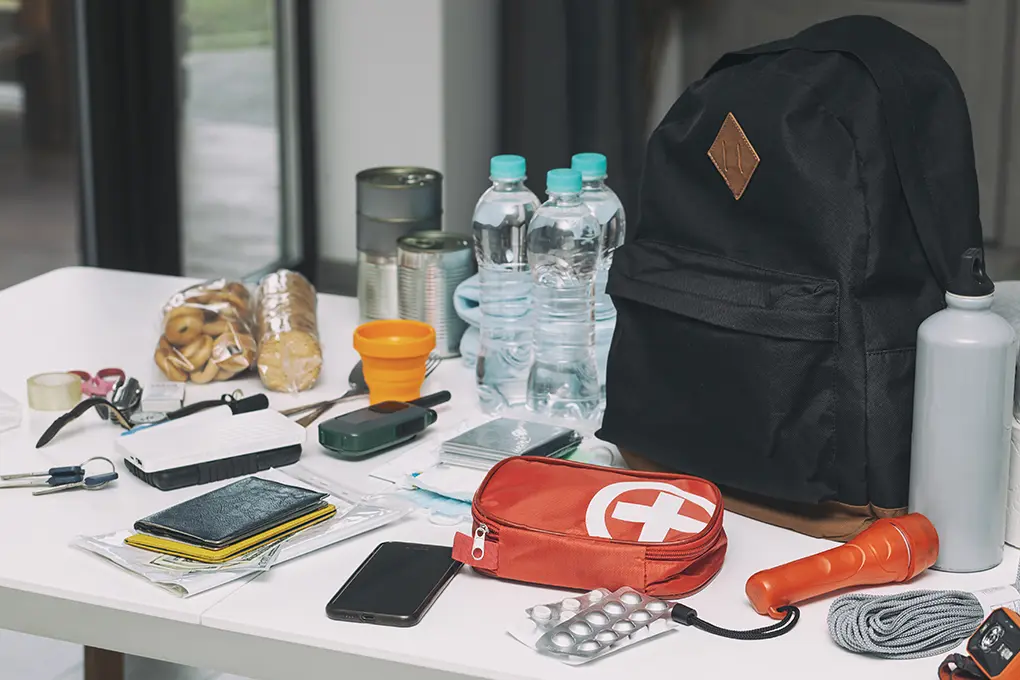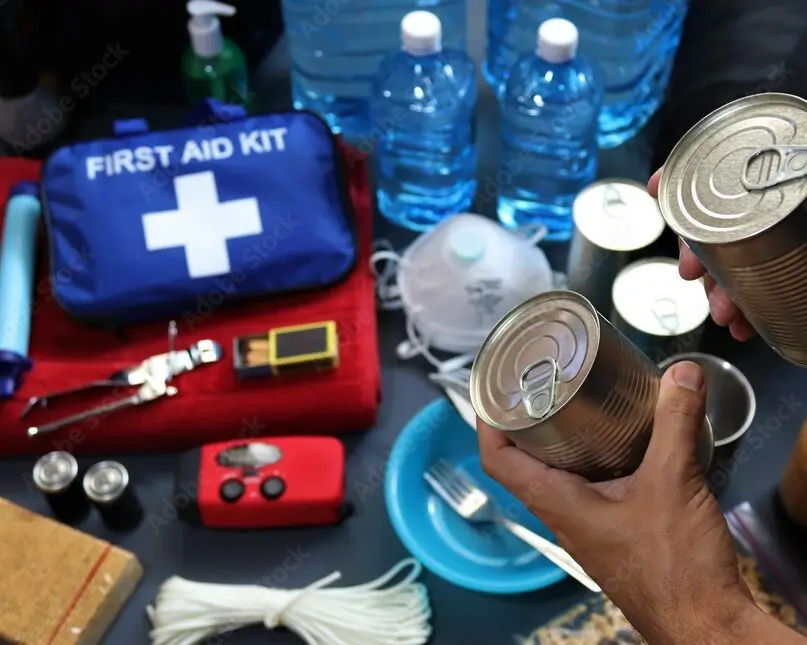
Quick Answer: The best vegan emergency supply food combines freeze-dried fruits and vegetables, shelf-stable legumes, whole grains, and plant-based protein with a 25-year shelf life – pre-assembled vegan emergency food kits cover 72-hour to 30-day supply needs without any animal products.
Most emergency food kits are built around dairy, eggs, and meat. For the roughly 5% of Americans who follow vegetarian or vegan diets – plus millions more with dairy or egg intolerances – standard emergency kits simply don’t work.
That gap matters most during actual disasters. When shelves empty in hours and relief supplies arrive days later, having pre-built vegan emergency rations isn’t a preference – it’s a survival necessity.
Vegan emergency food also tends to store longer. Without animal fats, freeze-dried plant-based meals resist rancidity better, and many options hit 25-year shelf lives – far outperforming most conventional MREs.
Table of Contents
- Key Takeaways
- Best Vegan Freeze-Dried Meals for Emergency Food Storage
- Shelf-Stable Vegan Protein: The Most Overlooked Emergency Nutrient
- Building Your Own Vegan 72-Hour Emergency Food Kit
- Vegan Emergency Food vs. Standard Emergency Food: Side by Side
- Not Strictly Vegan? These Batten.shop Alternatives Are Worth Considering
- Taking Action on Your Vegan Emergency Food Plan
- Frequently Asked Questions
- Sources
Key Takeaways
- A vegan 72-hour emergency food kit for one adult needs roughly 6,000 calories of shelf-stable plant-based meals, legumes, grains, and protein sources requiring minimal preparation.
- Plant-based freeze-dried meals outlast conventional emergency food, with most hitting 25-year shelf lives due to the absence of animal fats.
- Calorie-dense vegan emergency protein sources – nuts, seeds, nut butter, and legumes – are critical and often missing from standard emergency food buckets.
- Pre-assembled vegan emergency food kits cost $80-$350 for a 72-hour to 30-day supply; DIY assembly typically saves 25-35%.
- Browse Batten’s emergency food collection for vetted plant-based options, including freeze-dried kits and long-term storage buckets.
Best Vegan Freeze-Dried Meals for Emergency Food Storage
Freeze-dried meals are the gold standard for long-term vegan emergency food storage. They’re lightweight, require only hot water, and retain the bulk of their nutritional value through the freeze-drying process. Research published in Nutrients found mean 24-month vitamin retention rates of 86-97% across vitamins B1, B2, and B6 in freeze-dried military ration meals – far superior to conventional drying methods.

Augason Farms Vegan Emergency Food Bucket
- Price: $89-$149 (as of May 2026)
- Servings: 60-120 depending on configuration
- Shelf Life: Up to 25 years sealed
- Preparation: Hot water only
- Best For: Budget-conscious families building a 2-4 week vegan supply
Augason Farms offers one of the most accessible vegan emergency food bucket options at scale. Their plant-based line covers breakfast (oatmeal, granola), lunch (soups, bean dishes), and dinner (pasta, lentil stew), avoiding all dairy and eggs. Calorie density averages 250-350 per serving, so budget 6-8 servings per adult per day for full energy needs.
Pros:
- Affordable per-calorie cost vs. competitors
- Wide meal variety reduces flavor fatigue
- Certified gluten-free options available
- Ships in stackable, water-resistant buckets
Cons:
- Sodium content is high (600-900mg per serving)
- Some flavors are repetitive across 30-day kits
- Requires boiling water; not cold-soak friendly
Good To-Go Vegan Freeze-Dried Pouches
- Price: $10-$14 per pouch (as of May 2026)
- Shelf Life: 5+ years per pouch
- Preparation: Hot or cold water (cold-soak capable)
- Best For: Vegan bug-out bags and 72-hour emergency kits
Good To-Go is one of the few brands with a dedicated, fully vegan freeze-dried meal line – including Thai Curry, Smoked Three Bean Chili, and Herbed Mushroom Risotto. Unlike budget brands, all meals cold-soak in 30-45 minutes, making them viable when fuel is unavailable. Their pouch format keeps weight low for vegan bug-out bags and on-the-go vegan emergency rations.
Pros:
- Fully vegan product line – no label-checking required
- Cold-soak capable (no heat source needed)
- Premium taste vs. budget brands
- Compact pouch format ideal for 72-hour kits
Cons:
- Higher cost per serving ($10-$14)
- Shorter shelf life than bucket-format competitors
- Smaller serving sizes; may need two pouches per meal
Backpacker’s Pantry 7-Day Vegan Emergency Survival Kit
- Price: $129-$179 (as of May 2026)
- Servings: 21 full meals
- Shelf Life: Up to 10 years sealed
- Preparation: Hot water only
- Best For: Higher-quality vegan emergency food storage with better ingredient quality and flavor variety
Backpacker’s Pantry focuses heavily on ingredient quality and meal diversity, making it one of the better options for vegans who want emergency food they will realistically enjoy eating. The 7-day vegan survival kit includes meals like Pad Thai, Cuban Coconut Rice & Black Beans, and Kathmandu Curry. Compared to lower-cost buckets, the meals use more vegetables, legumes, and spices, which helps reduce menu fatigue during longer emergencies. The pouch-based format also makes portioning easier for smaller households or rotating emergency supplies.
Pros:
- Premium ingredient quality and stronger flavor variety
- Fully vegan meal kit with clearly labeled packaging
- Lighter and easier to transport than bucket systems
- Lower sodium than many large emergency food brands
Cons:
- More expensive per calorie than bulk bucket options
- Shorter shelf life than 25-year storage buckets
- Requires hot water and fuel access for preparation
Shelf-Stable Vegan Protein: The Most Overlooked Emergency Nutrient
Protein is the critical gap in most vegan emergency food plans. FEMA’s emergency food guidance focuses on calories and shelf stability but rarely addresses amino acid completeness – a real problem for plant-based eaters during prolonged outages.
The best shelf-stable vegan protein sources for emergencies:
- Canned Legumes: Black beans, chickpeas, lentils, and kidney beans average 7-9g protein per half-cup. No preparation required.
- Nut Butter Packets: Single-serve peanut and almond butter packets offer 7-8g protein with a 2-year shelf life.
- Textured Vegetable Protein (TVP): Freeze-dried, stores 25 years, and rehydrates into a ground-meat texture for soups and stews. Excellent for protein diversity in vegan emergency rations.
- Hemp and Pumpkin Seeds: Dense protein (8-9g per ounce) with 1-year shelf life in sealed packaging.
- Nutritional Yeast: 8g protein per 2 tablespoons, a source of B12, and doubles as a seasoning – often forgotten in vegan emergency food kits.
See our complete guide to emergency food to keep in your car for per-serving breakdowns and storage timelines.
Building Your Own Vegan 72-Hour Emergency Food Kit
For families who prefer a DIY vegan emergency food supply, these pantry staples form the backbone of a complete 72-hour kit. The American Red Cross food safety guidelines recommend stocking shelf-stable foods that require no refrigeration, cooking water, or special preparation – all of the items below qualify.
- Whole Grains: Rolled oats, quinoa, and instant brown rice provide complex carbs and some protein; choose instant varieties requiring minimal fuel.
- Canned Legumes: Two cans of chickpeas or lentils per person per day covers protein and fiber.
- Nut Butter: 2-3 individual packets per person daily adds healthy fats and calories.
- Dried Fruit and Nuts: Trail mix-style combinations deliver calorie density in compact packaging.
- Vegan Protein Powder: Single-serve packets of pea or hemp protein add 20-25g protein without preparation.
- Instant Oatmeal Packets: Ready with cold or hot water; choose unsweetened varieties to control sodium.
For complete guidance on building a broader emergency pantry, our emergency kit list for natural disasters walks through quantities by household size.
Vegan Emergency Food vs. Standard Emergency Food: Side by Side
| Feature | Standard Emergency Kits | Vegan Emergency Food Kits |
| Shelf Life | 5-10 years typical | 25 years (freeze-dried) |
| Dietary Compliance | Contains dairy, eggs, often meat | Dairy-free, egg-free, meat-free |
| Protein Sources | Meat, cheese, eggs | Legumes, TVP, seeds, nut butter |
| Average Sodium | 700-900mg/serving | Similar; check labels |
| Calorie Density | Moderate-High | Moderate; requires planning |
| Availability | Widely stocked | Specialty; order in advance |
| Cost Per Serving | $3-$8 | $4-$10 |
The calorie density gap is the most important practical consideration. Vegan emergency meals are often lower-calorie per serving than meat-based alternatives, which means you need more servings – and more storage space – to hit the daily calorie minimum that Dietary Guidelines for Americans recommends for adults during emergencies.
Review our long-term food shortage preparedness guide for storage space calculations by household size.
Not Strictly Vegan? These Batten.shop Alternatives Are Worth Considering
If you or someone in your household is flexitarian, vegetarian (not strictly vegan), or simply want a broader supply to mix with dedicated vegan items, these Batten.shop kits are solid options:
- 2-Week 1-Person Emergency Food Supply Kit (119 Servings) – A comprehensive 2-week kit with a wide meal variety. Check ingredient labels for specific dietary needs.
- Nutrient Survival 30-Day Emergency Food Kit – Formulated for 100% daily micronutrient coverage. Some meals in the line are plant-based; verify individual pouches against your dietary requirements.
For an in-depth breakdown of Nutrient Survival’s full product line, see our Nutrient Survival review.
Taking Action on Your Vegan Emergency Food Plan
Building a plant-based emergency food supply is more straightforward than it seems. Start with a vegan 72-hour emergency food kit – enough for three days – and expand from there based on your household’s realistic calorie needs.
Prioritize protein and calorie density first. Most vegan emergency food plans fail because they focus on variety over sustenance. A week of oatmeal and lentils isn’t exciting, but it covers your family’s needs during the critical first 72 hours after a disaster.
Rotate your supply annually for canned goods. Freeze-dried plant-based meals require no rotation until the 25-year mark, making them the lowest-maintenance option for long-term vegan disaster food storage.
For backup power to cook emergency meals when the grid is down, our portable power station comparison covers options for running an induction burner or electric kettle during outages.
Stock your vegan emergency pantry before the next disaster strikes – browse Batten’s emergency food collection for freeze-dried kits, 30-day storage buckets, and protein-rich shelf-stable essentials trusted by emergency managers.
Frequently Asked Questions
What Is the Best Vegan Emergency Food for Long-Term Storage?
Freeze-dried plant-based meals from verified emergency food brands offer the best combination of shelf life (up to 25 years), calorie density, and preparation simplicity. For long-term vegan food storage, supplement with canned legumes, whole grains, and nut butters rotated every 3-5 years.
How Many Calories Do I Need in a Vegan 72-Hour Emergency Food Kit?
Adults need roughly 2,000 calories daily during emergencies, totaling 6,000 calories minimum for a 72-hour vegan emergency kit. Active adults, pregnant women, and children have different needs – plan for 2,200-2,500 calories per adult daily as a conservative buffer.
Are There Vegan MRE Alternatives for Bug-Out Bags?
Yes. While true MREs rarely meet vegan standards, freeze-dried pouch meals from brands like Backpacker’s Pantry and Good To-Go offer MRE-style convenience in vegan formats. These are lighter than canned goods and ideal for vegan bug-out bags and evacuation scenarios.
Can I Build a Vegan Emergency Food Supply on a Budget?
A 30-day DIY vegan emergency supply costs $90-$120 using bulk dry lentils, rolled oats, canned chickpeas, peanut butter, and rice – far below pre-assembled kit prices. Budget-conscious preppers should prioritize these calorie-dense staples before investing in premium freeze-dried vegan meals.
What Vegan Emergency Protein Sources Have the Longest Shelf Life?
Textured vegetable protein (TVP) and freeze-dried legumes last 25 years sealed. Canned beans and lentils maintain quality for 3-5 years. Nut butter packets in sealed foil last 1-2 years. Hemp seeds and pumpkin seeds in vacuum-sealed packaging last approximately 1 year.
Is Vegan Freeze-Dried Food Safe for Children During Emergencies?
Yes, with attention to sodium content. Most vegan freeze-dried meals contain 600-900mg of sodium per serving, which is high for young children. During actual emergencies, this is acceptable short-term. Supplement with lower-sodium options like plain oats, nut butters, and fresh fruit when accessible.
What Is a Vegan Gluten-Free Emergency Food Option?
Focus on naturally gluten-free vegan staples: rice, quinoa, certified GF oats, lentils, and canned legumes. Always verify labels – some freeze-dried facilities process wheat products that can cause cross-contamination. Nutrient Survival offers options that address this.
Sources
- “In U.S., 4% Identify as Vegetarian, 1% as Vegan,” August 24, 2023, Gallup, https://news.gallup.com/poll/510038/identify-vegetarian-vegan.aspx
- “Stability of Vitamins B1, B2, B6 and E in a Fortified Military Freeze-Dried Meal During Extended Storage,” 2020, Nutrients / National Institutes of Health PubMed Central, https://www.ncbi.nlm.nih.gov/pmc/articles/PMC7022620/
- “Food,” 2024, FEMA / Ready.gov, https://www.ready.gov/food
- “Food Safety During an Emergency,” 2024, American Red Cross, https://www.redcross.org/get-help/how-to-prepare-for-emergencies/types-of-emergencies/food-safety.html
- “Nutrition Guidelines and Recommendations,” 2024, Centers for Disease Control and Prevention, https://www.cdc.gov/nutrition/php/guidelines-recommendations/index.html
- “Build a Kit,” 2024, FEMA / Ready.gov, https://www.ready.gov/kit